
Read our Free UX Assessment Self-Help Guide
Design ethics are a feature users can feel
Created on
November 25, 2025
Dark patterns and manipulative UX design can lift short-term metrics, but they destroy long-term value. They invite churn, erode trust, and invite regulatory scrutiny that eventually costs more than it earns. In a market defined by transparency and choice, respect has become a real competitive advantage.
Design reveals a company's intent because each interaction either builds credibility or breaks it. When a product hides fees or buries opt-outs, it sends a clear message: We do not trust you to make an informed choice. Users notice, and they leave.
At The Norm, usability and integrity are engineered together. Ethics are not a constraint; they are infrastructure.
Manipulative UX design once passed as a clever growth strategy. Today, it reads as risk. Users eventually recognize the patterns, whether these are pre-checked boxes, endless unsubscribe loops, or hidden delivery fees that appear only at checkout. Each of these tactics can accelerate conversion, but it comes at the cost of credibility and long-term trust.
“The best customer experiences remind you of the best relationships — honest, transparent, and human.”
Katya Sevruk, Managing Director of The Norm, a digital experience agency
Deceptive user flows don’t just violate UX best practices; they also break trust in the same way manipulation erodes any relationship. And repairs always take longer than building trust right the first time.
Interfaces showcase their ethics through small intentional choices, such as button placement, default behavior, and wording. Every element should support the user’s task flow and mental model without adding confusion.
The Norm approaches ethical UX design as a measurable product outcome. Our framework builds on Stephen Covey’s Speed of Trust: integrity → intent → capability → results. Credibility grows when values and actions align and when transparency reinforces both.
In practice, this means prioritizing clarity over persuasion. Users are invited, not cornered. Opt-ins are active, not assumed. Outcomes are explained before commitment. When trust becomes a design variable, engagement improves because confidence replaces caution.
Using dark design patterns shows a lack of trust that a product cannot be appreciated as it is. It’s a poor foundation for any relationship.
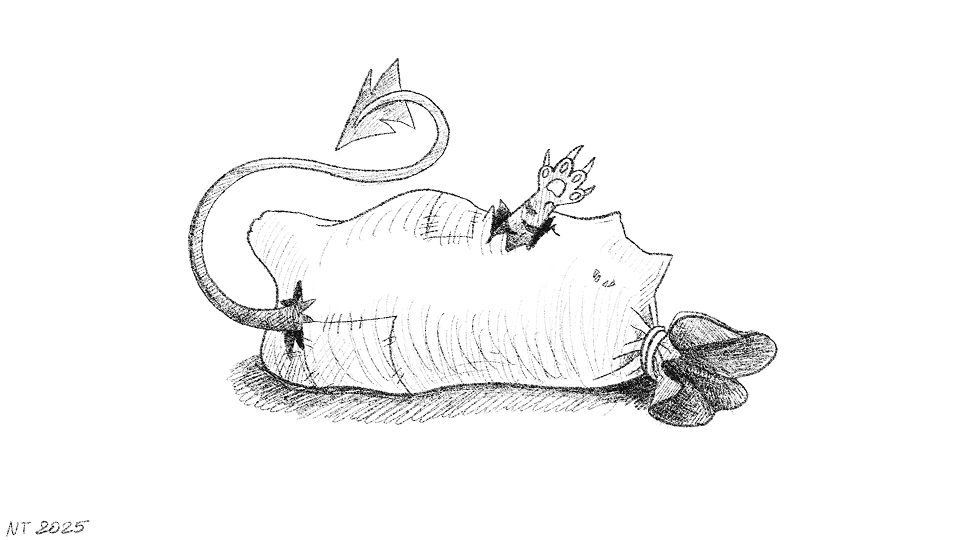
Dark patterns in UX design thrive when only short-term metrics matter. They seem like quick wins, but each one introduces hidden debt.
“One site, for example, limited donation amounts to three preset values to increase conversions. It worked, but the tactic crossed into manipulation because users weren't given an honest option to choose differently.”
Roman Kuchuk, Design Lead at The Norm
That example captures the dilemma. Techniques meant to guide users can easily slip into control. When users notice the intent behind an interface, trust decreases.
The cost then inevitably compounds. Misled users require support. Regulators impose corrections. Designers rebuild flows that should have been transparent from the start. And inside the company, the culture shifts, as dark patterns teach teams to rationalize deception.
At The Norm, design ethics is not some abstract ideal or a last-minute compliance step. Ethics are built into our everyday design decisions. These small but intentional choices embed integrity into systems and shape how people experience digital products.
“Design has the power to shape human behavior, and it's our responsibility to use it ethically.”
Aarron Walter, Designing for Emotion
We recognize that every early design decision lives on through the product and will eventually influence user behavior. With the stakes this high, we evaluate the ethical implications as a part of our design process and are not afraid to ask difficult questions to our clients when needed.
Ethics in UX design must begin with the first conversation, not the final review. When we sit down with a client, our goal is to understand what the business wants to achieve and the kind of value it aims to create for people. This dialogue sets the foundation for ethical alignment between business intent and human need.
From there, we work to understand the users, not just their behaviors but their motivations, contexts, and emotional landscapes. We immerse ourselves in their world to anticipate how a product will enter their lives and figure out how it can help, improve, or empower the human experience rather than disrupt or manipulate them.
Every design and strategic decision we make stems from these early insights, filtered through our knowledge of design patterns, accessibility principles, and best practices. This ensures that our solutions are not only effective but also respectful and responsible.
When a concept takes shape, it is validated through testing. We look closely at how easily users achieve their goals, but also at the subtler signals like hesitation, confusion, or emotional discomfort. These moments reveal whether a design truly serves its users with integrity.
In this way, our process weaves ethical reflection into every stage, from discovery to delivery, ensuring that the products we design are not just usable, but honest, inclusive, and humane. Ethics, for us, is not a separate layer of design but a way of designing itself.
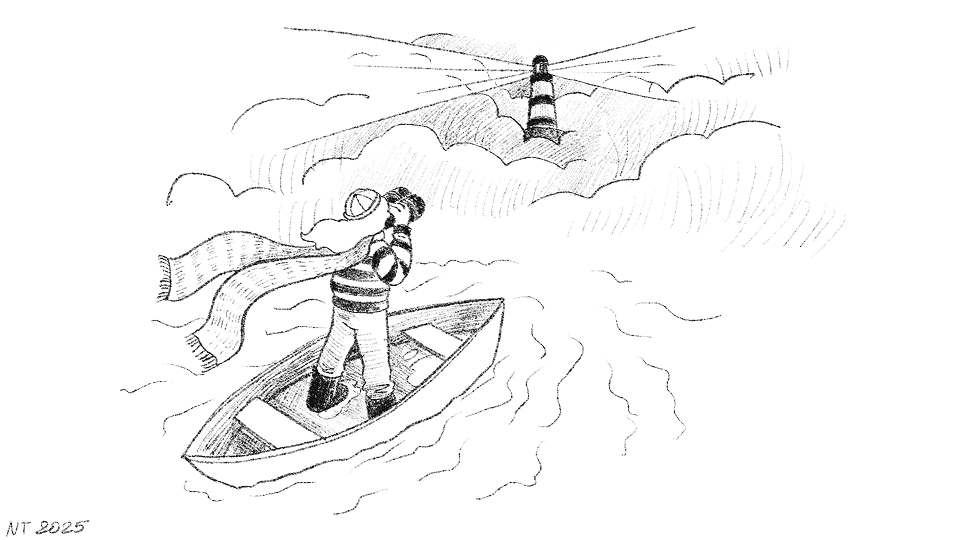
Ethics isn’t some checklist; it’s a conversation that evolves with each project. A start-up looking for its first customers faces different pressures than an enterprise managing an established brand. Both deserve ethical UX design, but they require different approaches.
“Each project has its own stage, context, and constraints. Our job is to find the direction that keeps both the product and its relationships with users healthy.”
Valeria Kirilchik, Strategy Lead at The Norm
The Norm navigates these decisions with transparency by outlining user and business risks without assuming moral absolutes. When a client’s preferred tactic risks eroding trust, our team details the long-term implications, things like user churn, regulatory exposure, reputational cost, and then co-creates an alternative that preserves the original intent without manipulation. In some cases, we will showcase the potential unintended consequences of such a business model via tools like the Impact Ripple Canvas.
Fair design is not about idealism; it’s about performance. When people feel informed, they stay longer and advocate louder. Measurable benefits then follow:
Trust functions like infrastructure, invisible until it breaks. Ethical design is what makes that structure resilient. Integrity builds credibility. Credibility sustains relationships. Strong relationships protect the brand.
When these links hold, marketing aligns with product behavior, and user perception matches the company’s intent. That consistency turns ethics from a matter of compliance into a genuine competitive advantage. Products become predictable in the best possible way.
Here are five UX design choices that build trust:
Dark design patterns are fading, but the incentives behind them — speed, metrics, pressure — remain. The future of UX design belongs to the teams that integrate ethics as naturally as they do accessibility, usability, or inclusion.
Teams that design ethically and clarity and shared values spend far less time defending their work and more time improving it for users.
At The Norm, trust is treated as a renewable asset. Transparent flows and fairness in decision-making add value over time. The result is extraordinary design, stronger partnerships, and more lovable products.
Ethical design isn’t a barrier to innovation; it’s the foundation for it.
Design ethics are principles that guide UX designers to create experiences that respect users’ autonomy, privacy, and understanding. In practice, they mean choosing clarity over manipulation and aligning business goals with user trust.
Every element should support the user’s task flow and mental model without adding confusion.
Dark design patterns may boost short-term metrics, but they create long-term damage that’s far harder to repair. When users feel tricked through hidden fees, forced opt-ins, or confusing unsubscribe paths, they lose confidence not only in the product but in the brand itself. Sustainable growth comes from clarity and respect, not manipulation.
UX designers build trust by understanding users’ motivations and pain points, then using that insight to create clear pathways, provide timely feedback, enable recovery from mistakes, and respect user choices. Trust grows when design supports users’ goals instead of steering them toward business objectives alone.
The team begins by understanding a client’s intent and the value it wants to create. Every decision is then tested against that. Designers assess impact and confirm outcomes through user feedback. This reflection ensures products are functional and honest, evidence that ethical design and performance can coexist.